
I’ve been commenting on Road Safety issues since my daughter was born, 15 years ago, and before. At the time while living on the quays in Dublin 8 I found there was little space or time afforded to pedestrians, and even less for prams. Since then I have been on the receiving end of some pretty poor driving behaviour as I cycled to and from work. It seems as if the lockdowns of the Covid pandemic were for some reason accompanied by a disimprovement in driving behaviour, which I have chronicled on my Twitter account. From my experience watching this happen and checking the rules of the road and traffic laws, I think I have some valid observations and comments to make on the review of the Road Safety Authority that the Governing are carrying out at present. (See notice here)
Here is is my submission below, with the questions included in italics for completeness:
Views on Services Provided by the RSA
Q 1. The RSA currently provide a range of services and functions, including Driver Testing and Licencing, NCT and CVRT Vehicle Testing, road safety advice, road safety promotional and media campaigns, and road safety education programmes, as well as working with other stakeholders to enhance road safety enforcement and inputs to road safety legislation. What do you believe to be the most important of these services and functions? And are there any other services or functions which the RSA should be undertaking that they are not undertaking currently?
Road safety should be front and centre in the activities of the RSA. This should mean that all the above activities are important, but that the above list should focus on the most effective services and functions to make the roads safer for all users.
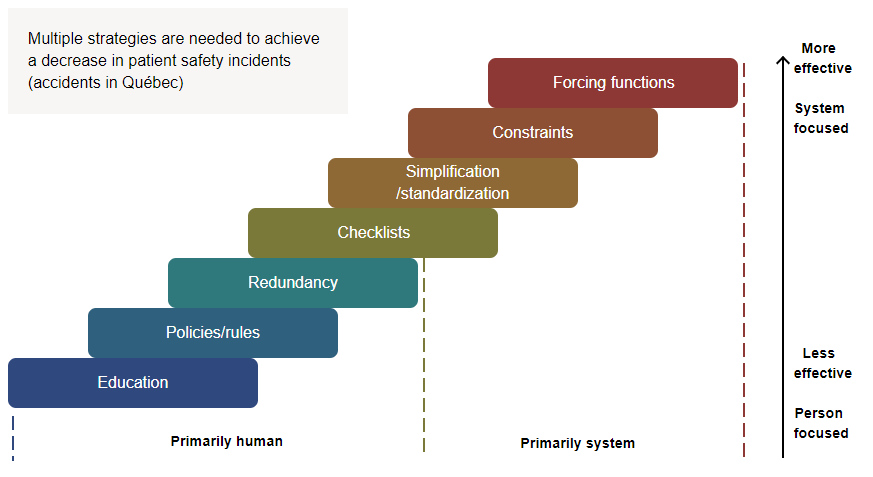
The RSA needs to be a champion for road safety and ensure that forcing functions for safety are incorporated into the design of all Road projects and are added where the data shows that they are needed. This means championing and developing further policy such as the Design Manual For Urban Roads and Streets and the Cycle Manual and ensuring that other state bodies incorporate their features in road projects.
The testing regime assists in ensuring that all Road users fully understand that their vehicles and their driving must meet safety standards at all times, and that testing needs to be biased around ensuring this. Advice /promotions and media work, being lower in effectiveness is however necessary to change the overall culture of road use to make us all safer.
Q 2. Do you have any other views on the focus and balanceof the Road Safety Authority’s functions, between the driver and vehicles testing and licensing services it delivers to the public, on the one hand, and the road safety policy, promotion, education, and research functions it undertakes, on the other? (See: Role of the RSA)
As above.
Views on the approach to funding of the RSA
Q 3. The RSA’s functions and operations are mostly self-funded, from the fees it charges for the provision of services, including driver licensing and testing, and passenger and commercial vehicle roadworthiness testing services (the NCT and Commercial Vehicle Roadworthiness Testing), with littledirect Exchequer/public funding received. What are your views on this self-funding model rather than an exchequer funded model or a mixed funding model?
Road safety is a public good, and as such, ensuring our roads are safe benefits the economy in many ways which will not be reflected within the road transport sector. As such, it would be appropriate that there would be exchequer funding of the RSA in particular to help the RSA develop work with the academic sector to ensure that there is independent data on road safety to inform evidence based decision making,
Having a large proportion of funding from testing activities also runs the risk of regulatory capture, in that those involved in the RSA may feel a duty to those paying the fees, rather than a duty to the overall safety of all Road users. In a way this is reflected in Irish motoring culture where those who feel that they have paid “Road Tax” (sic) see themselves as having more rights on the roads than others, such as cyclists and pedestrians. It should be clear that the costs of a testing regime cover the costs of that regime and are not extended to any additional rights, privileges or representation.
Views on the future of the RSA
Q 4. Do you have any views on the future role of the Road Safety Authority?
I think the culture of road use in Ireland has to change if we are to continue to have safer roads. the RSA is front and centre to this and needs to lead on taking safety seriously – moving away from personal responsibility to an environment with less urging and more concrete action to document and improve safety.
Q 5. Do you think there are any functions currently undertaken by the RSA that would be better delivered by another body/agency or any functions completed by others that would be better undertaken by the RSA?
Perhaps the RSA could have a role in taking dangerous driving reports on behalf of the Gardai to improve data capture and accountability.
I have no involvement with the work of the RSA. My children have been given a number of hi-vis jackets despite the face that we live in one of the most urban settings in the country and they cross a dual carriageway to reach their primary school which is a frequent location of speeding and red-light breaking, but which the local authority are seemingly unconcerned with.
Other Comments
Q7. Finally, please provide any other comments which you feel may be of relevance to this review of the RSA.
Less hi-vis for children, more data, more action please.

 Oisín Ó hAlmhain